Techniques & Materials
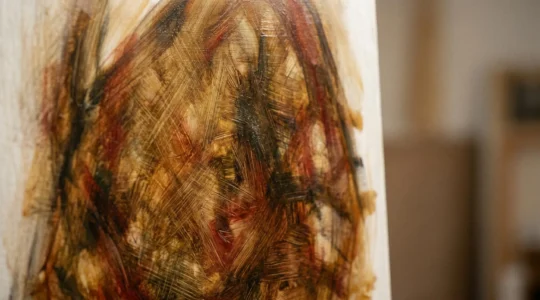
Why Is Egg Tempera the Best Medium for Luminosity and Detail?
Egg tempera’s legendary luminosity is not an accident of history but the direct reward of a rigorous, unyielding artistic discipline. Unlike forgiving oils or acrylics, tempera’s fast-drying, non-blendable nature forces the painter to build colour through precise, hatched layers, creating…
Lire la suite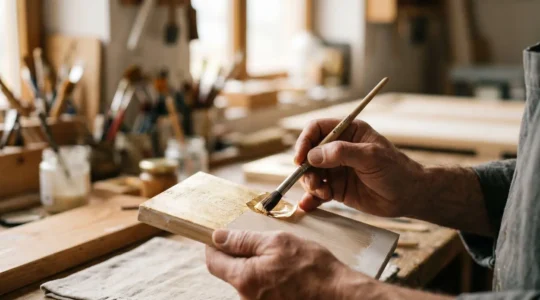
How to Master Gold Leaf Gilding for Contemporary Art Applications
Mastering gold leaf is not about the tools you own, but the sensory knowledge you cultivate to command light itself. True mastery lies in understanding the ‘why’ behind each step—from the foundational cushion of clay bole to the exact moment…
Lire la suite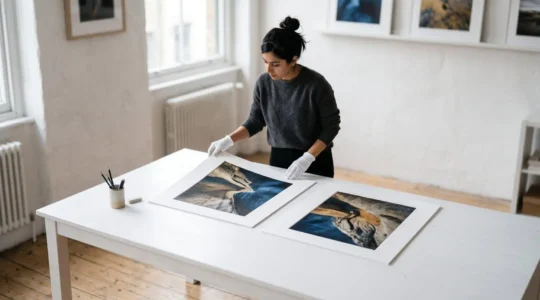
Giclée or C-Type: Which Printing Method Is Best for Selling Fine Art Photography?
The choice between Giclée and C-Type is not about which is ‘better,’ but which printing method best serves your artwork’s market narrative and physical presence. Giclée excels in archival longevity and substrate versatility, allowing for a highly controlled tactile experience…
Lire la suite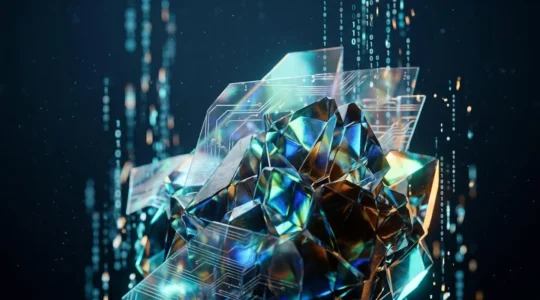
How to Preserve Net Art and Software Before It Becomes Unreadable?
Contrary to common belief, saving the source code of digital art is not enough; you are saving a ghost without its machine. True preservation requires capturing the entire « executable context »—the original operating system, browsers, and plugins that give the artwork…
Lire la suite
How Do Conservators Preserve Art Made of Chocolate, Fat, and Decomposing Materials?
Contrary to the popular belief that art conservation is about « fixing » and stopping time, the reality for ephemeral artworks is far more complex. The preservation of pieces made from chocolate, fat, or other unstable materials is not a battle against…
Lire la suite
Why Is Camera-less Photography Gaining Traction Among Young British Artists?
Camera-less photography’s resurgence is not about nostalgia; it’s a movement of material mastery, valuing the artwork as a unique physical object over a reproducible image. Artists are acting as alchemists, using chemistry and light to « paint » and sculpt unique works,…
Lire la suite
The Collector’s Dilemma: Why Mixed Media Art Presents Unique Long-Term Challenges
The allure of mixed media art is its material diversity; its greatest risk is the inherent conflict between those same materials. Many works contain their own seeds of destruction (a concept known as inherent vice) through acidic components and incompatible…
Lire la suite
How to Use Augmented Reality to Truly Enhance Your London Museum Visit
The key to using AR in museums is balance: leveraging technology for deeper insight without letting the screen replace the artwork itself. Prepare your device beforehand (battery, data, headphones) to avoid disruptions and focus on the art. Use the « Scan,…
Lire la suite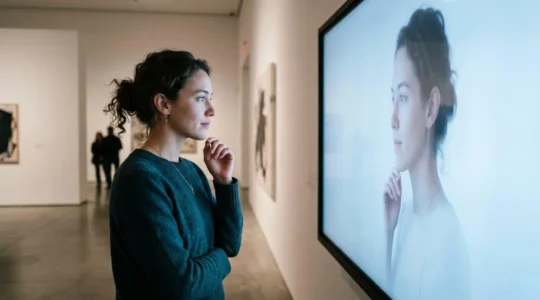
How Interactive Digital Portraits Are Changing Viewer Engagement in Galleries?
Interactive digital art is far more than just a tech-fueled spectacle; it’s a fundamental shift that redefines the roles of artwork, viewer, and gallery space. Artworks no longer just hang on a wall; they use sensors and AI to observe,…
Lire la suite
How to Distinguish Hand-Painted Hyperrealism from High-Res Photography?
Contrary to the common belief that hyperrealism is just « copying a photo, » the true distinction lies in recognizing the painting as a constructed reality that intentionally manipulates and enhances what a camera can capture. The artist’s hand is revealed through…
Lire la suite