Art & creations
Art today exists in a state of exhilarating plurality. Walk into a contemporary gallery and you might encounter a hyperrealist portrait beside a pile of wrapped candies labeled as a memorial, an immersive light installation humming with sound, or a meticulously hand-woven textile hanging next to a digital print. For many, this diversity feels overwhelming rather than liberating. Where do you even begin to understand what qualifies as art, let alone appreciate it?
This breadth isn’t confusion—it’s evolution. Contemporary artistic creation has expanded beyond canvas and bronze to encompass every conceivable medium, methodology, and intention. From the intimate act of painting a self-portrait to the monumental challenge of installing a public sculpture, from the meditative practice of traditional craft to the provocative gestures of conceptual art, today’s creative landscape offers multiple entry points for engagement. Understanding these different forms, their techniques, and their underlying purposes gives you the confidence to navigate galleries, commission work, or simply enjoy art without the nagging feeling that you’re missing something crucial.
This exploration introduces you to the major categories and practices shaping contemporary art, providing context for why artists make the choices they do, how different forms communicate meaning, and what distinguishes thoughtful work from hollow spectacle.
Contemporary Art Movements: From Shock to Substance
Contemporary art often gets dismissed as deliberately obscure or needlessly provocative. Yet the works that initially seem most baffling frequently address questions about how we see, what we value, and whose stories get told. Avant-garde practices—those experimental approaches that push boundaries—serve as the research and development wing of visual culture, testing ideas that sometimes filter into mainstream aesthetics within a generation.
Why Artists Employ Unconventional Materials and Methods
When an artist constructs a sculpture from discarded packaging or projects video onto crumbling architecture, the choice of materials carries meaning. Recycled materials might critique consumer culture or environmental degradation. Temporary installations in public spaces can challenge who has access to art and where it’s allowed to exist. The materials themselves become part of the message, not just the vehicle for it.
Consider that a bronze statue communicates permanence and authority—historically reserved for depicting monarchs and military victories. By contrast, an installation made from biodegradable materials inherently argues for impermanence, process over product, and ecological awareness. The medium shapes the meaning before the artist even determines the form.
Navigating Works That Challenge Comfort
Immersive installations using sound, light, temperature, or scent engage your entire sensory system rather than just your eyes. While traditional gallery etiquette encourages quiet contemplation from a respectful distance, these environments ask you to enter, move through, and physically experience the work. This shift can feel disorienting—which is sometimes precisely the point.
Not every challenging work deserves unconditional praise, but immediate dismissal prevents genuine engagement. The productive question isn’t “Is this good?” but rather “What is this attempting to do, and does it succeed on those terms?” This reframing transforms confusion into curiosity, giving you agency as a viewer rather than leaving you feeling excluded or foolish.
Figurative Art and Contemporary Portraiture
Reports of painting’s death have been greatly exaggerated. While photography can capture a likeness in seconds, figurative painting and drawing persist because they offer something fundamentally different: the visible trace of sustained human attention. Every brushstroke or charcoal mark represents a decision, an interpretation, a prioritization of certain features over others.
The Resurgence of Representation
After decades when conceptual and abstract work dominated institutional attention, figurative art has reclaimed significant cultural space. This isn’t nostalgia or regression—contemporary figurative painters engage with identity politics, class structures, mental health, and social media culture in ways their predecessors never could. A portrait today might depict someone scrolling their phone, wearing clothing loaded with brand signifiers, or posed to critique rather than celebrate traditional power structures.
The technical approaches vary enormously. Hyperrealism renders subjects with photographic precision, often to highlight the uncanny or explore what extreme detail reveals. Expressionist approaches distort, exaggerate, or simplify to convey psychological states that surface appearance conceals. Neither is inherently superior—each serves different expressive needs. The anxiety of modern life might demand the fractured intensity of expressionism, or it might require hyperrealism’s uncomfortable clarity.
Beyond Likeness: What Makes a Successful Portrait
A competent portrait captures how someone looks. An exceptional one reveals something essential about who they are. This distinction matters enormously, whether you’re viewing historical works or considering commissioning a contemporary piece. Technical skill and emotional depth aren’t opposed—masterful technique in service of genuine insight produces the most memorable work.
Look at how artists use props, settings, lighting, and pose to communicate. In British portrait tradition, a dog might signal fidelity or class status. Flowers could reference specific virtues or vices. Contemporary portraitists continue this symbolic language while adding new vocabularies drawn from digital culture, consumer goods, and political iconography.
The Commissioning Process: From Concept to Completion
Commissioning an original artwork represents one of the most direct ways to engage with artistic creation, yet many potential clients hesitate, uncertain about protocols, costs, or how to ensure they get what they envision. Understanding the process demystifies it considerably.
Defining Your Vision and Finding the Right Artist
Before contacting artists, clarify what you actually want. A portrait of a loved one differs vastly from an abstract piece for a specific interior. Consider not just subject matter but also mood, scale, and intended location. Budget matters too—a realistic commission budget for a contemporary portrait from an emerging artist might start around £2,000-£5,000, while established names command significantly more.
Research artists whose existing work resonates with your vision. Their portfolio demonstrates not just technical capability but aesthetic sensibility. Someone who paints ethereal, light-filled watercolors likely won’t pivot to dark, heavy impasto oils for your project. Choose an artist whose natural style aligns with your desired outcome rather than asking them to work against their strengths.
Contracts, Communication, and Realistic Expectations
A professional commission contract should specify: the subject and basic approach, dimensions and medium, timeline with specific milestones, payment schedule, copyright ownership, and what happens if either party needs to terminate the agreement. These aren’t bureaucratic obstacles—they protect both parties and prevent misunderstandings that could poison what should be a collaborative, creative process.
Most portrait artists work from photographs supplemented by an initial sitting. What you wear matters: bold patterns date quickly and distract from your face, while solid colors in flattering tones provide timeless elegance. Avoid asking for “flattering” changes midway through—you hired this artist for their vision and interpretation. If you want only a prettified version of reality, photography with retouching serves that purpose more efficiently and affordably.
Installation Art and Immersive Experiences
The past decade has seen explosive growth in immersive art experiences—walk-through environments that surround you with projections, soundscapes, or physical elements. These range from thoughtfully crafted artistic statements to what critics dismiss as “Instagram bait”: expensive selfie backdrops with minimal conceptual depth.
Distinguishing Substance from Spectacle
Not every immersive experience offers the same value. The crucial question: does the work have something meaningful to communicate, or is visual impact its only purpose? Narrative coherence and conceptual depth separate art from mere entertainment. A well-designed immersive piece uses its multisensory elements to convey ideas or emotions that couldn’t be expressed through traditional static media. A shallow one simply projects pretty images while charging premium admission.
Before purchasing tickets to immersive exhibitions, research reviews from art critics rather than lifestyle influencers. Critics assess whether the work justifies its format and cost. Consider whether the experience offers genuine artistic merit or primarily serves as a backdrop for social media content. Both can be enjoyable, but only one represents a significant artistic contribution.
Practical Considerations for Visitors
Intense projections, strobing lights, and loud soundscapes can trigger migraines, vertigo, or anxiety in susceptible individuals. Responsible installations provide warnings, but not all do. If you have photosensitivity, vestibular issues, or claustrophobia, contact venues beforehand to ask about specific elements and whether quieter viewing times exist.
Expect crowds, especially for popular touring exhibitions. The experience changes dramatically when you’re shuffling through packed rooms versus having space to stop and observe. Weekday mornings typically offer the most breathing room.
Conceptual Art: Ideas Made Visible
Conceptual art prioritizes ideas over aesthetic beauty or technical virtuosity. This doesn’t mean the visual elements don’t matter—rather, they serve the concept instead of existing for their own sake. For viewers accustomed to judging art primarily by its appearance or the skill required to make it, this inversion can feel baffling or even offensive.
Reading Works That Resist Traditional Interpretation
When confronting a conceptual piece—perhaps a portrait with no recognizable face, or a pile of candies representing a person—gallery labels become essential interpretive tools. Unlike traditional works where the label provides supplementary information, conceptual pieces often require this text to unlock their meaning. The label isn’t admitting the work failed; it’s acknowledging that the idea being communicated needs context you might not possess.
For example, Felix Gonzalez-Torres’ candy portraits invite viewers to take pieces, making the work interactive and subject to depletion—metaphors for memory, loss, and the AIDS crisis. Without knowing this context, you might simply see candy wrapped in cellophane. With it, the work becomes profoundly moving.
What You Own When Buying Conceptual Work
Purchasing conceptual art raises unique questions. If the work consists of instructions rather than objects, or if it’s meant to be remade for each exhibition, what exactly are you acquiring? Typically, you purchase a certificate of authenticity granting you rights to exhibit or recreate the work according to the artist’s specifications. This feels strange to collectors accustomed to owning physical objects, but it reflects conceptual art’s emphasis on ideas as the primary artistic material.
Art in Everyday Spaces: Practical Integration
Most art ultimately lives not in galleries but in homes, offices, and public spaces. Selecting, displaying, and living with art involves considerations beyond simply liking how something looks in isolation.
Choosing Abstract Work for Interiors
Abstract art offers enormous flexibility for interior spaces precisely because it doesn’t depict specific subjects. Yet “it matches my sofa” represents the wrong criterion for selection. Choose work that resonates emotionally rather than simply coordinating with existing décor. You’ll repaint walls and replace furniture, but artwork should maintain its impact for years or decades.
That said, understanding basic principles helps. Warm colors (reds, oranges, yellows) energize spaces and advance visually, making rooms feel more intimate. Cool colors (blues, greens, purples) calm and recede, expanding perceived space. Textured paintings reward viewing from multiple angles and lighting conditions, revealing different qualities throughout the day.
Display Considerations That Affect Impact
A single large piece creates dramatic focus, while a gallery wall of smaller works adds layered interest and allows for curation over time. Small London apartments often benefit more from one commanding work than from multiple modest pieces that fragment limited wall space. Proper lighting transforms viewing experience—track lighting or picture lights highlight texture and color, while harsh overhead lighting flattens work. Natural light beautifully illuminates art but fades pigments over time, so avoid direct sunlight on valuable pieces.
Float frames—where the canvas appears suspended within the frame—suit contemporary work beautifully by emphasizing the painting as object rather than window. Traditional frames can make contemporary pieces feel museum-like rather than integrated into living spaces.
Blurring Boundaries: Art, Craft, and Design
Where does art end and craft begin? When does a designed object become sculpture? These questions lack definitive answers, and contemporary practice increasingly treats these categorical distinctions as obsolete limitations rather than useful classifications.
The Elevation of Craft Practices
Weaving, ceramics, furniture-making, and other practices historically dismissed as “mere craft” have claimed space in fine art contexts. This shift reflects several factors: feminist critiques of how “women’s work” was devalued, renewed interest in materiality and process, and rejection of the idea that art must be non-functional. A hand-carved chair can absolutely be sculpture if it prioritizes formal and conceptual concerns over ergonomic optimization.
The “slow art” movement embraces time-intensive traditional techniques as both aesthetic choice and philosophical stance. In an era of rapid digital production and planned obsolescence, objects requiring hundreds of hours to make argue for different values: patience, mastery, sustainability, and respect for materials. When you purchase hand-stitched textile art, you’re not just buying the finished object but also supporting the time and skill its creation demanded.
Navigating Exhibition Contexts
The same object displayed in a craft fair versus a contemporary art gallery sends different signals about how you’re meant to evaluate it. Context shapes perception powerfully. This doesn’t make one presentation more legitimate—it simply acknowledges that functional objects occupy complex cultural territory. Artists working across these boundaries often exhibit in both contexts strategically, reaching different audiences with different expectations.
Public Installation Art: Process and Politics
Creating art for public spaces involves layers of complexity beyond the artistic vision itself. Permissions, budgets, community input, environmental factors, and eventual removal all shape what’s possible and who gets to make it.
From Concept to Installation
Proposing a public art project in a UK city requires navigating local council procedures, which vary by location but generally involve submitting detailed proposals including concept, materials, dimensions, structural engineering reports, public liability insurance, and timeline. Temporary installations still require substantial permissions because they affect public space, even briefly.
Budget estimation must account for materials, labor, engineering, insurance, permits, and eventual removal and site restoration. Underestimating costs represents a common mistake that can derail projects midway. For monumental outdoor work, material costs alone can reach tens of thousands of pounds before considering fabrication and installation labor.
Community Engagement and Environmental Considerations
Public art belongs to everyone who encounters it, not just the artist or commissioning body. Meaningful community consultation during the planning phase builds support and ensures the work resonates with its location rather than feeling imposed. This process requires genuine openness to feedback, not mere performative inclusion.
British weather punishes outdoor art mercilessly. Materials suitable for climate-controlled interiors fail rapidly when exposed to rain, wind, temperature fluctuations, and UV radiation. Metal corrodes, wood swells and rots, and adhesives fail. Experienced public artists design with these forces in mind, selecting appropriately durable materials and construction methods.
Reading Visual Symbolism and Hidden Meanings
Much historical British art operates through symbolic languages largely forgotten today. Flowers, animals, objects, and compositional choices carried specific meanings that contemporary viewers miss without guidance, impoverishing our understanding of works we think we know well.
These symbolic systems weren’t arbitrary decoration—they allowed artists to comment on politics, morality, and social conditions within conventions that provided plausible deniability if accusations arose. Understanding this visual vocabulary transforms seemingly straightforward works into layered arguments about power, virtue, social responsibility, and human nature.
For example, dogs in portraits might represent fidelity, but the specific breed, pose, and context modulate this meaning. Flowers in Ophelia each carry distinct symbolism related to her fate and character. Hogarth’s seemingly documentary scenes of urban life contain precise social critique targeting specific evils and institutions. Even Turner’s luminous seascapes could hide anti-slavery messages in their treatment of light, color, and subject.
Learning to recognize these symbolic elements doesn’t require academic expertise—good gallery labels, exhibition guides, and accessible art history resources decode these languages for general audiences. The reward is discovering that familiar images contain meanings you’d previously overlooked, deepening appreciation for both historical and contemporary work that continues these traditions.
Contemporary art’s diversity reflects an expanded understanding of what art can be, who can make it, and where it happens. From traditional figurative painting to experimental installations, from intimate self-portraits to monumental public works, each form offers distinct possibilities for expression and engagement. By understanding the intentions, techniques, and contexts shaping different artistic practices, you develop the confidence to explore widely, question thoughtfully, and find the works that genuinely resonate with your own sensibility rather than deferring to received hierarchies of what “counts” as important art.

Why Is “Slow Art” Making a Comeback Against Fast Digital Production?
Contrary to the belief that “Slow Art” is simply a nostalgic trend, it represents a profound economic and cultural recalibration of value in response to digital acceleration. It reclaims the artist’s process, mental state, and time as integral components of…
Read more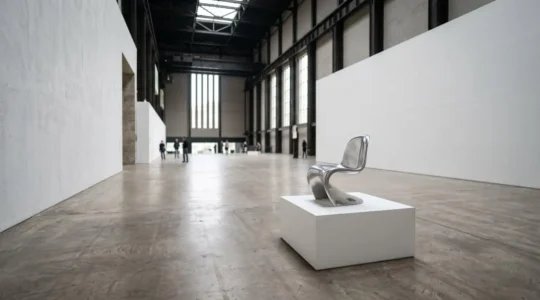
Is Graphic Design Considered Fine Art in Modern British Galleries?
The distinction between ‘fine art’ and ‘design’ is no longer about function versus form, but about the context in which a work is presented, validated, and valued. Institutional validation from galleries and museums can elevate functional objects to the status…
Read more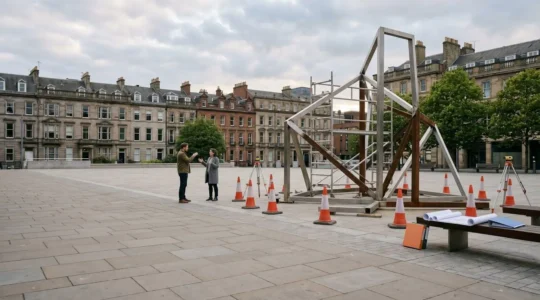
From Proposal to Public Acclaim: How to Execute an Installation Art Project in a UK City
Successfully launching a public art project in a UK city requires shifting from an artist’s mindset to a project manager’s, turning bureaucratic hurdles into strategic advantages. Securing permits and funding is less about your art’s merit and more about demonstrating…
Read more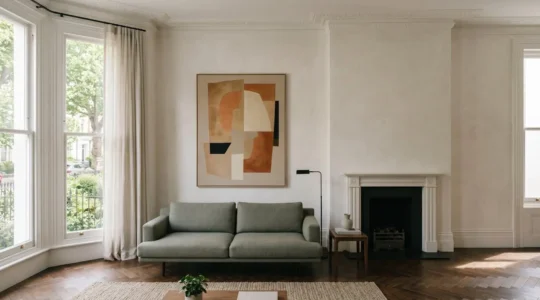
How to Select Abstract Art That Truly Harmonizes with Modern British Interiors
The secret to selecting abstract art isn’t matching it to your sofa, but curating a dialogue between the art, your space, and your soul. Prioritize emotional resonance over simple colour coordination to find a piece with lasting personal meaning. Use…
Read more
How to Decode Conceptual Portraits That Have No Recognizable Face?
In summary: Conceptual portraits represent identity not through physical likeness, but through a system of rules, materials, or data that functions as a “conceptual signature.” To decode these works, you must shift from asking “What does it look like?” to…
Read more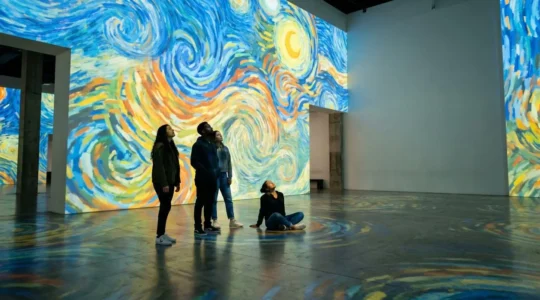
Why Are Immersive Art Experiences Replacing Traditional Gallery Visits for Millennials?
The success of immersive art isn’t about replacing galleries; it’s a powerful critique of their historical failure to grant audiences meaningful agency over their own cultural experiences. High ticket prices create a value crisis, forcing a distinction between shallow spectacle…
Read more
Why Do Artists Paint Self-Portraits in an Age of Instant Selfies?
Contrary to the belief that a self-portrait is an act of vanity, it is fundamentally a procedural act of psychological integration and self-knowledge. The physical process of painting is a form of non-verbal dialogue that fosters mental well-being and emotional…
Read more
How to Commission a Contemporary Portrait That Captures Personality, Not Just Likeness?
Commissioning a powerful portrait requires you to be an active co-creator, not a passive buyer; your strategic choices directly shape whether the final piece is a mere likeness or a true narrative artifact. Success hinges on aligning your vision with…
Read more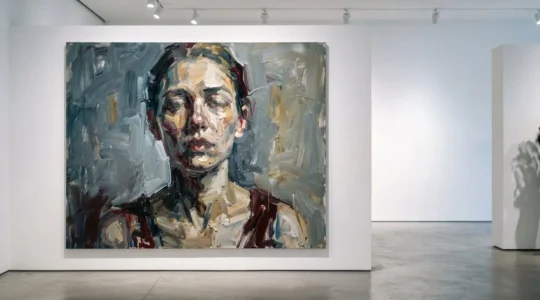
Why Is Contemporary Figurative Art Making a Comeback in a Digital-First Era?
The resurgence of figurative art is not a simple backlash against digital life; it is a complex sociological negotiation where the human form becomes the primary medium for exploring modern identity, status, and emotional truth. It serves as a tool…
Read more
How to Interpret Avant-Garde Installations without Feeling Intimidated?
The key to understanding avant-garde art isn’t having a special degree, but learning to see it as a system with rules you can decode. “Weirdness” in art is often a deliberate question posed by the artist, not a mistake or…
Read more