Forget the tourist map; experiencing East London’s real art scene isn’t about which galleries you visit, but how you discover them.
- The true creative energy lies in the artist-run ecosystems and transient street art, not just the established commercial spaces.
- Accessing the scene means strategically attending open studios, degree shows, and private views to connect directly with emerging talent.
Recommendation: Shift your mindset from a passive visitor to an active discoverer to find authentic, affordable art before it hits the mainstream.
So, you want to dive into East London’s art scene. The internet probably told you to wander around Shoreditch, snap a picture of some street art, and maybe pop into a well-known gallery. That’s the standard advice, and frankly, it barely scratches the surface. It treats the most dynamic creative hub in London like a static museum, a checklist of places to see. You’ll see some great art, sure, but you’ll miss the pulse, the raw energy, and the very real opportunity to discover the next big thing.
The common mistake is thinking it’s all about established names and expensive price tags. Most guides focus on the finished product hanging on a pristine white wall. But what if the real magic isn’t just in the art, but in the ecosystem that creates it? What if the key to an authentic experience wasn’t about finding a gallery, but about understanding the cultural topography of entire neighbourhoods, from the polished laneways of Shoreditch to the industrial canals of Hackney Wick?
This guide offers a different perspective. Forget being a tourist. We’re going to equip you with the strategy of an insider. This is about learning how to navigate the scene, get on the right guest lists, spot talent at degree shows, and even buy art directly from the source—often at pre-gallery price points. We’ll break down the myths holding you back and give you the tools to move beyond passive viewing and become an active participant in London’s creative conversation.
This article will guide you through the strategic decisions every art insider makes. From choosing the right neighbourhood for your mood to spotting future stars and understanding the economics that shape the galleries themselves, you’ll learn to see East London’s art world not as a collection of venues, but as a living, breathing ecosystem ready to be explored.
Summary: Your Insider’s Map to London’s Cutting-Edge Art
- Shoreditch or Hackney Wick: Which Neighborhood Has the Best Emerging Art Scene?
- How to Get on the Guest List for Private Views in East London?
- Banksy and Beyond: Where to Find the Best Preserved Street Art in London?
- The Error of Thinking All London Art Is Too Expensive for Beginners
- When Is the Best Time to Visit Open Studios in East London?
- How to Purchase Art from a Student without a Gallery Intermediary?
- Mayfair vs. Cromwell Place: How Are Galleries Adapting to High London Rents?
- How to Spot Future Stars at UK Degree Shows before Prices Explode?
Shoreditch or Hackney Wick: Which Neighborhood Has the Best Emerging Art Scene?
Let’s get one thing straight: this isn’t a competition. Choosing between Shoreditch and Hackney Wick is about understanding their different “cultural topographies” and deciding what kind of art experience you’re after. They represent two distinct phases of a creative neighbourhood’s life cycle. Shoreditch is the polished graduate; Hackney Wick is the raw, brilliant undergraduate still experimenting in the studio.
Shoreditch offers a more accessible, commercial gallery experience alongside its world-famous street art. It’s curated, dense, and easy to navigate on foot. The art is often more “finished,” presented in professional settings. Hackney Wick, in contrast, retains a wilder, more industrial character. Its value lies not in storefront galleries but in its sprawling, artist-led studio complexes. A case study of the area’s post-Olympic journey shows how, despite gentrification pressures, the creative ecosystem in Hackney Wick adapted, using its vast warehouse spaces for large-scale works and installations you simply won’t find in Shoreditch.
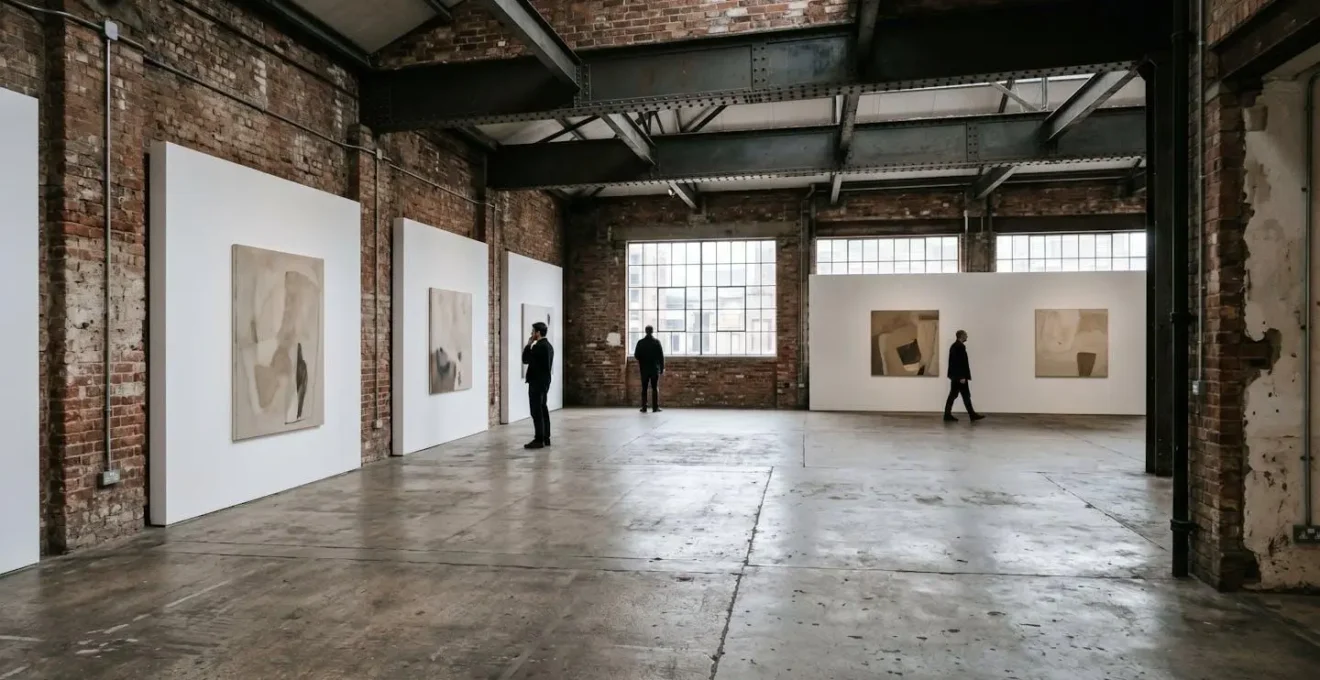
This image perfectly captures the essence of a Hackney Wick space: vast, unpolished, and filled with potential. It’s in these environments that experimentation happens. So, the choice is yours: head to Shoreditch for a high-density tour of established and commercial art, or venture to Hackney Wick to explore the artist-run ecosystem where the next wave of creativity is being forged. As experts at Frmd Digital note, “East London’s creative community is constantly shifting,” and knowing where to look is key.
How to Get on the Guest List for Private Views in East London?
Private Views (or PVs) are the lifeblood of the gallery scene, but many newcomers feel they are exclusive, invitation-only affairs. While some are, a surprising number are accessible if you employ a little strategy. The secret isn’t about knowing the right people; it’s about becoming one of the right people—a genuine, engaged enthusiast. Forget airdropping your business card; this is about building real connections.
Your journey into the inner circle starts at the periphery. Attend more accessible events first, like open studios and student degree shows. In fact, according to industry research on emerging artist discovery, degree shows are prime hunting grounds for gallerists themselves. This is where you can have authentic conversations with emerging artists and gallerists in a low-pressure environment. From there, it’s about demonstrating sincere interest, not just a desire for free wine. Engaging with a gallery’s social media with thoughtful comments or sending a polite email expressing interest in their program can be far more effective than you think. The goal is to transition from a passive follower to a known member of the community.
Here is a step-by-step approach to strategically gain access:
- Start Digitally: Create accounts on platforms like ArtRabbit and on gallery websites. Many less exclusive PVs simply require an online RSVP.
- Build Genuine Connections: Attend smaller, open-list events first. Focus on artist-run spaces and degree shows to meet people organically.
- Engage Thoughtfully: Follow galleries on social media and post insightful comments on their posts. Show you’re paying attention to their program.
- Inquire Directly: Craft a personalized email to a gallery. Position yourself as an aspiring collector, student, or enthusiast, explaining why you’re drawn to their specific artists or exhibitions.
- Follow Up: After attending an event, a short thank-you message to the gallerist can cement the relationship and ensure you’re remembered for the next invitation.
This process is a long game. It’s about building cultural capital within the scene, which is far more valuable than any single invitation.
Banksy and Beyond: Where to Find the Best Preserved Street Art in London?
East London’s walls are a living, breathing canvas, not a static museum. While tourists hunt for the few remaining (and often protected) Banksy pieces, insiders know that the real excitement of the scene lies in its transience. A masterpiece can appear overnight and be gone a week later. As the experts at Street-Artwork.com astutely observe, “The constant rotation has kept the neighbourhood genuinely alive rather than a street art theme park.” This ephemerality is a feature, not a bug.
To truly experience it, you have to let go of the “permanent collection” mindset. Instead, focus on areas of high turnover like the streets around Brick Lane, Redchurch Street, and the Nomadic Community Gardens. Here, you’ll see a dialogue happening on the walls, with artists painting over and responding to each other’s work. The best “preserved” street art isn’t necessarily the oldest; it’s the work that has earned the respect of the community and is left untouched for longer.
A prime example is ROA’s famous crane mural on Hanbury Street. This piece demonstrates the cultural sensitivity that defines the best street art. The Belgian artist originally planned a heron but changed it to a crane after learning of the bird’s sacred status in the local Bengali community. Created in 2010, its survival is a testament to its deep connection with its environment, a stark contrast to works preserved behind Perspex. It’s an informal landmark that embodies how authentic street art becomes part of a place’s identity. This is the kind of work to seek out: pieces that tell a story not just about the artist, but about the street they inhabit.
The Error of Thinking All London Art Is Too Expensive for Beginners
It’s one of the most persistent myths about the London art world: that everything is eye-wateringly expensive and reserved for oligarchs and hedge fund managers. While the Mayfair auction houses certainly fuel this perception, it completely ignores the vast and accessible ecosystem of affordable art thriving across the city, especially in the East.
The key is knowing where to look. Forget the six-figure paintings for a moment and consider the entry points. Fairs like the Affordable Art Fair, held in Battersea and Hampstead, are specifically designed for new collectors, with pieces starting from around £50. But the real opportunities for discovery and connection lie even closer to the source. University degree shows are the art world’s primary school, where you can buy original works from talented graduates at an accessible, pre-gallery price point before their careers take off.
Beyond the major shows, a whole world of affordable art awaits those willing to explore. Here are some of the best entry points for a budding collector in London:
- Limited-Edition Prints: Collectives like Southbank Printmakers offer original linocuts, screenprints, and etchings. You get an artist’s handmade work at a fraction of the cost of a unique painting.
- Degree Shows: The summer shows at institutions like the RCA, Goldsmiths, and Central Saint Martins are unmissable. It’s a chance to meet the artists and buy work directly.
- Artist Zines and Small Works: Markets like those in Spitalfields and Brick Lane are treasure troves for small-scale original works, zines, and sketches from independent makers.
- Open Studios: Buying directly from an artist during an open studio event not only supports them financially but also gives you the story behind the work.
- Online Platforms: Curated websites like Artfinder and Partnership Editions specialise in connecting new collectors with contemporary, affordable pieces, some starting as low as £135.
Starting a collection isn’t about having deep pockets; it’s about having a curious eye and the confidence to invest in the art that speaks to you, wherever you may find it.
When Is the Best Time to Visit Open Studios in East London?
Visiting an open studio event is one of the most rewarding ways to experience East London’s art scene, offering a rare glimpse behind the curtain. But timing your visit can dramatically change your experience. There’s no single “best” time; it all depends on your goal. Are you on a mission to buy, hoping for a deep conversation with an artist, or just looking to soak up the creative atmosphere?
If your priority is to purchase, go early. The opening night (often a Friday evening) or the first morning (Saturday) is when you’ll find the best selection of available works. The most sought-after pieces can sell within hours. However, these peak times are often crowded, making it difficult to have a meaningful chat with the artists. If your goal is connection and conversation, aim for a quiet weekday evening. The atmosphere is more relaxed, and artists are generally more available and open to in-depth discussions about their practice. You’ll get a much more personal and intimate experience.
For those looking for a social buzz, the closing weekend can be fantastic. There’s often a party atmosphere, a sense of celebration, and sometimes the chance to snag a last-minute discount. To help you decide, this guide breaks down the pros and cons of when to visit based on your objective, a strategy used by insiders to get the most out of the experience, as detailed in event platforms like the comprehensive listings on ArtRabbit.
| Visitor Goal | Best Timing | Advantages | Considerations |
|---|---|---|---|
| Purchasing Priority | Opening hours on first day (Friday evening or Saturday morning) | Best selection of available works, first choice before popular pieces sell | More crowded, less time for deep conversations with artists |
| Artist Conversations | Quiet weekday evening (Tuesday-Thursday, 6-8pm) | Intimate discussions, artists more available, unhurried atmosphere | Fewer works may remain available, some artists may not be present |
| Social Experience | Closing weekend (final Saturday-Sunday) | Party atmosphere, potential last-minute discounts, celebratory energy | Reduced inventory, some popular works already sold |
How to Purchase Art from a Student without a Gallery Intermediary?
Buying art directly from a student at a degree show is an exhilarating experience. You’re not just acquiring a piece of art; you’re making a direct investment in an artist’s future at the very start of their journey. As Ocula Advisory highlights, “Known for launching the careers of young artists, London’s graduate shows are an opportunity to discover emerging talent without the fuss of waffly texts or high auction prices.” However, this transaction happens outside the formal gallery system, so it requires a slightly different, more respectful approach.
The most important rule is to lead with genuine interest, not with your wallet. These artists have poured years of work and thought into their final shows. Start a conversation about a specific piece that catches your eye. Ask about their technique, their concept, their materials. Show that you see the value in their practice before you even think about asking for a price. Many students won’t have a formal price list, so asking “How do you determine your prices?” is a much more respectful opening than “How much is this?”.
Navigating the purchase itself is a matter of clear communication and basic etiquette. Understand that you are not at a flea market; avoid aggressive haggling or lowball offers that devalue their time and skill. Once you agree on a price, formalise the sale with a simple email that acts as a bill of sale. This protects both you and the artist. The process should feel like a collaborative agreement, not a retail transaction. Here is an ethical framework for a smooth purchase:
- Initiate Contact with Curiosity: Express genuine interest in the work’s concept or technique before mentioning your intent to buy.
- Ask, Don’t Offer: Politely ask how they price their work. Respect that they are often new to this and may not have a rigid structure.
- Negotiate Fairly: Understand the basics (originals cost more than prints, size and medium matter) and make a fair offer. This is support, not exploitation.
- Document the Sale: Request or send a simple email confirming the artwork’s title, medium, price, payment method, and collection/delivery plan.
- Confirm Authenticity: Ensure the documentation includes the artist’s name, year, and confirmation of signature to serve as basic provenance for the future.
Mayfair vs. Cromwell Place: How Are Galleries Adapting to High London Rents?
The gleaming galleries of Mayfair, with their multi-year leases and astronomical rents, have long represented the pinnacle of the London art market. But this high-stakes model is becoming increasingly untenable for many. The sheer financial pressure has forced the industry to innovate, leading to new, more flexible models that are fundamentally changing how galleries operate in the capital.
The most significant innovation in recent years is the “gallery-as-a-service” model, pioneered by institutions like Cromwell Place in South Kensington. This approach completely de-risks the exhibition process. Instead of committing to a cripplingly expensive long-term lease, galleries can become members and book exhibition space on a flexible, short-term basis—effectively a timeshare for art spaces. This allows international galleries to have a London presence without a permanent base, and it enables younger, emerging galleries to stage ambitious shows without the fear of financial ruin.
This isn’t just a business trend; it has a direct impact on the art you see. The traditional Mayfair model often encourages “safe” exhibitions that are guaranteed to sell, reinforcing the market for established, blue-chip artists. In contrast, the flexible exhibition model of Cromwell Place allows for more risk-taking. Galleries can showcase more experimental work or give a platform to lesser-known artists, as the financial stakes of a single show are significantly lower. It reflects a broader adaptation as the entire London gallery ecosystem—from blue-chip dealers to artist-run spaces in the East—grapples with the reality of the city’s property market. This economic pressure is a powerful, if invisible, force shaping the art world.
Key Takeaways
- East London’s art scene is an ecosystem: prioritize discovering artist-run spaces and studios over just visiting commercial galleries.
- Be a strategic discoverer: Use degree shows and open studios to connect with artists and buy affordable work at its source.
- Street art is a transient canvas: Embrace the constant change and look for works that engage with the local community, not just famous names.
How to Spot Future Stars at UK Degree Shows before Prices Explode?
Degree shows are the art market’s rawest and most exciting frontier. This is where you can see unfiltered creativity and potentially discover the next Lynette Yiadom-Boakye or Tracey Emin before the gallery system anoints them. But with hundreds of students exhibiting, how do you separate the promising from the merely proficient? It requires looking beyond the immediate “wow” factor and developing an eye for a few key indicators of long-term potential.
First, look for a consistent artistic voice. A single flashy piece is easy to make, but a cohesive body of work that shows a rigorous conceptual foundation and a clear, developing perspective is the hallmark of a serious artist. Is there a clear line of inquiry across their different pieces? Second, pay attention to the “artist’s artist.” Observe which students are generating buzz among their tutors and peers. This is often a more reliable indicator of future success than official prizes, which can sometimes reward more commercial or easily digestible work. The UK art market has shown remarkable resilience, securing the second-highest position globally according to Art Basel analysis, and investing in its emerging talent is a powerful way to participate.
Ultimately, spotting talent is about assessing the “why” behind the work, not just the “what.” A technically perfect painting is impressive, but one that also demonstrates deep conceptual thinking, technical innovation, or a unique perspective on the world is what will endure. Training your eye to see these qualities is the real skill.
Your Action Plan: Spotting Tomorrow’s Art Stars Today
- Visual Analysis: Look beyond a single piece. Assess the conceptual foundation across multiple works, seeking a consistent artistic voice and rigorous practice.
- Curatorial Intelligence: Observe who generates buzz among curators, tutors, and fellow artists—the “artist’s artist” is often a strong signal.
- Institutional Diversity: Explore shows beyond the obvious London choices. Graduates from Glasgow or Manchester often define emerging trends.
- Contextual Evaluation: Assess the “why” behind the work (conceptual depth, technical innovation) rather than just the “what” (surface appeal).
- Early Engagement: Build relationships by attending multiple shows, visiting shortlisted artists, and following their post-graduation journey.
So, grab your notebook, check ArtRabbit for the latest listings, and start exploring with a new strategy. The next big name in British art is out there in a small studio or a crowded degree show, waiting to be discovered. Go find them.